Required Documents for Development Application Lodgement: Residential Development – Apartment Building
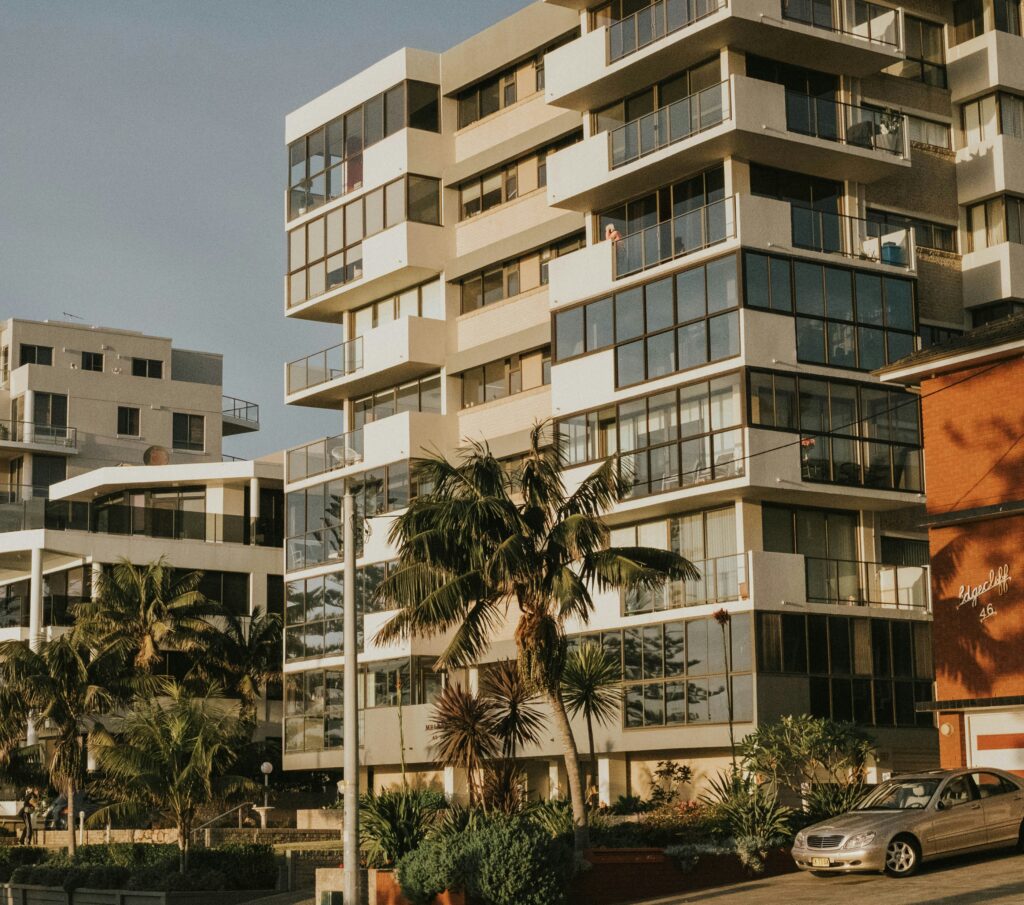
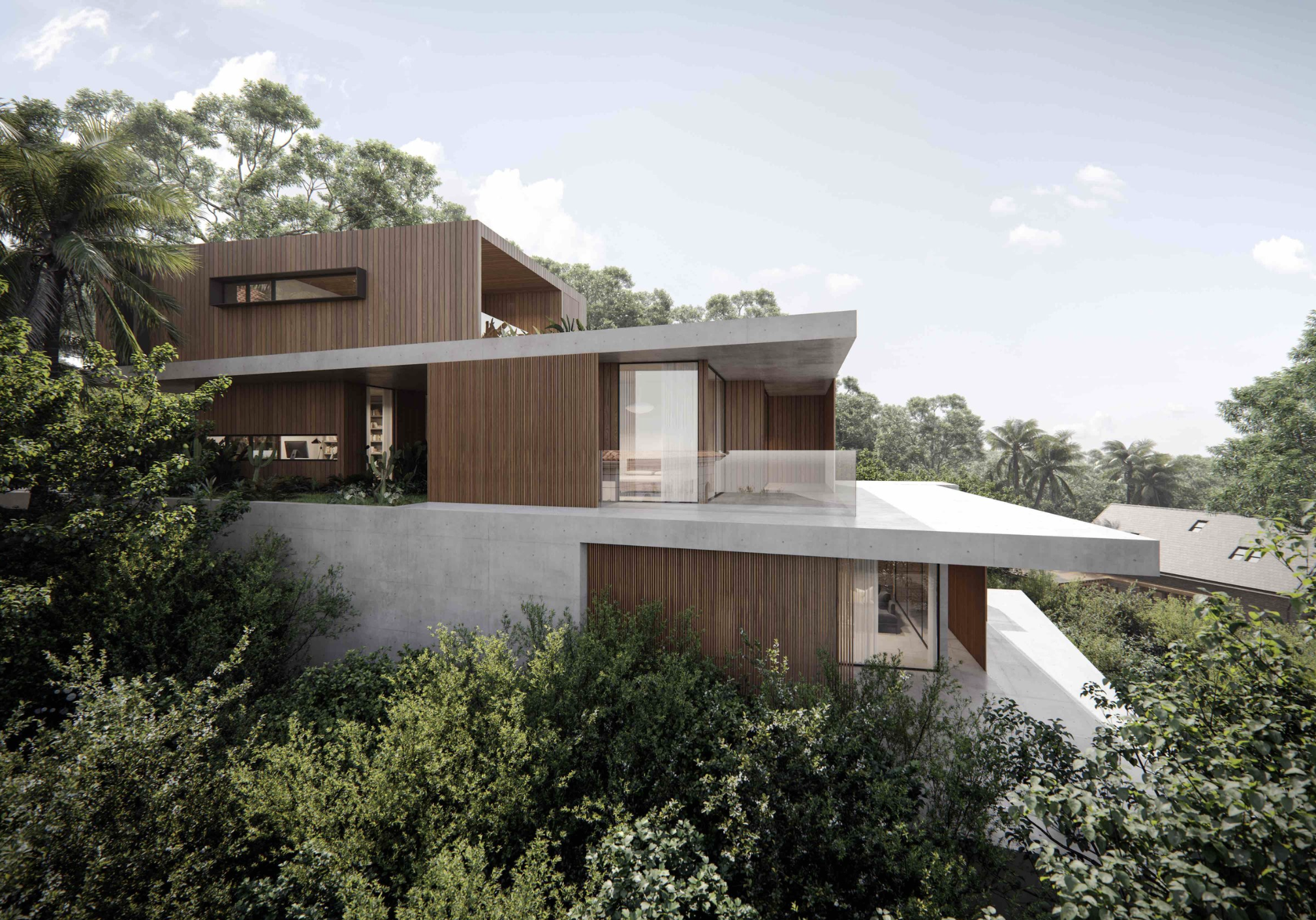
When submitting a Development Application (DA) for an apartment building, councils require a detailed package of documents to demonstrate that the proposal complies with local planning controls, state planning policies and the broader strategic objectives for higher density residential areas.Compared to smaller residential projects, apartment buildings undergo a more rigorous assessment process because they affect neighbourhood character, traffic, amenity, infrastructure and environmental performance. The documents outlined below form the core submission requirements for apartment buildings under council and state legislation.
The Statement of Environmental Effects (SEE) is an essential document that outlines the potential impacts of the proposed apartment building on the surrounding environment and community. This report should address how the apartment building aligns with local planning controls, zoning requirements and the intended residential use. Key factors to cover include privacy considerations, such as window placement relative to neighbouring properties and any possible impacts on access, sunlight, or green space. The SEE should also discuss measures taken to ensure the apartment building is in keeping with the character of the area.
Apartment building DAs require a comprehensive Architectural Plan Set including floor plans, elevations, sections, shadow diagrams, waste room layouts, communal open space layouts, unit mix schedules and solar access diagrams. Councils carefully review these plans to ensure compliance with requirements such as maximum building height, floor space ratio controls, separation distances, deep soil zones, landscape area, accessible design and the Apartment Design Guide New South Wales or equivalent apartment standards in Victoria and Queensland. The plans must demonstrate high quality, functional design outcomes for residents, with adequate storage, natural ventilation, daylight access and usable private open space.
The Site Analysis and Urban Design Response is a site analysis plan that identifies existing site features, surrounding buildings, interface conditions, topography, streetscape character and environmental constraints. Councils rely on this document to understand how the proposed building responds to its context, including transitions to neighbouring development, pedestrian access to the street and opportunities to enhance local character.
For apartment buildings, this is essential for demonstrating good built form outcomes and avoiding adverse impacts such as overlooking or excessive overshadowing.
A current Survey Plan is mandatory for apartment development. It must identify boundaries, levels, easements, drainage structures, retaining walls, trees, driveways and existing buildings. This plan ensures the proposal is positioned correctly within the site and complies with all boundary setbacks and height controls. It also provides the base information used for architectural design and stormwater engineering.
The Stormwater and Drainage Management Plan for apartment buildings require detailed stormwater engineering due to increased roof area and hard surfaces. Stormwater plans must address on site detention, water reuse systems, roof water collection, drainage infrastructure upgrades, overland flow paths and compliance with council engineering standards. Councils assess these plans to ensure the development does not increase flood risk, cause runoff to neighbouring properties or overload the local drainage network.
A Traffic and Parking Impact Assessment is necessary as apartment buildings generate higher vehicle movements than smaller residential projects, most councils require a professional traffic impact study. This report typically includes vehicle access design, turning paths, parking supply compliance, bicycle parking, loading bay requirements and projected impacts on the surrounding road network. Councils use the assessment to confirm that the development is safe, functional and compatible with existing infrastructure.
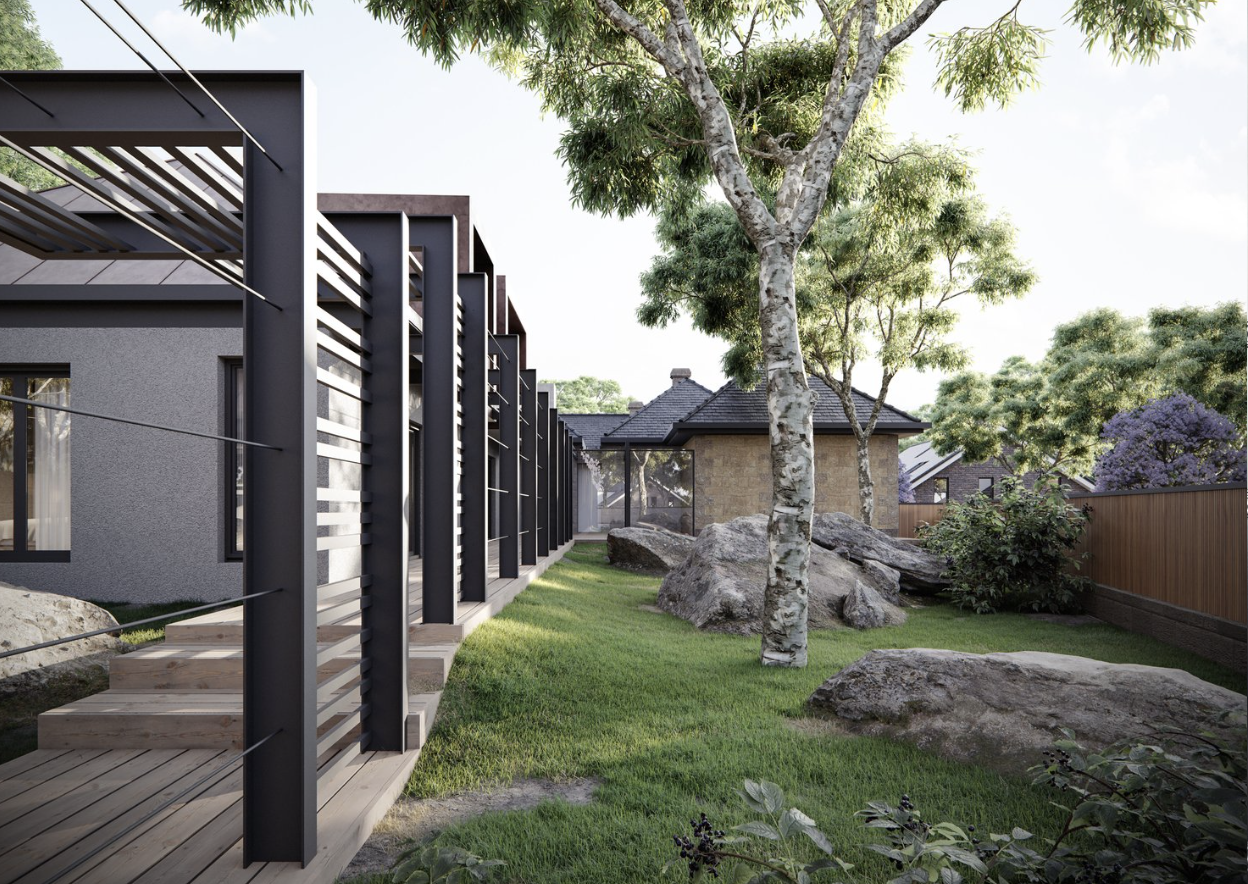
A Landscape Plan shows how outdoor spaces around the apartment building will be landscaped to blend with the primary residence and create a cohesive, visually appealing environment. This plan should include details on plantings, ground coverings, fences and any outdoor living areas to ensure that the development maintains green space and contributes positively to the local streetscape. The council will assess this plan to verify that landscaping efforts support biodiversity and uphold the aesthetic standards of the neighbourhood.
Anticipated Additional Requirements
Depending on the property’s location, environmental considerations, or proximity to sensitive areas, councils may request further reports to address specific site conditions.
1. Acoustic Assessment
If the site is near major roads, rail corridors or commercial zones, an acoustic assessment is required. This report recommends treatments such as acoustic glazing, wall insulation and balcony screening to ensure apartments meet internal noise criteria.
2. Solar and Overshadowing Analysis
Apartment buildings are assessed for both internal solar access and external overshadowing impacts. These diagrams help councils confirm that the development delivers adequate daylight to units while protecting sunlight to neighbouring properties and public spaces.
3. Wind Impact Assessment
Mid rise and high rise apartment buildings may require wind modelling, particularly in coastal or exposed locations. This identifies potential wind tunnelling effects and ensures safe and comfortable outdoor areas.
4. Bushfire Assessment
If the land is within a bushfire prone area, an assessment prepared by an accredited consultant is required to detail construction standards, access conditions and asset protection zones.
5. Flood Risk Management Report
For properties in flood-prone areas, a Flood Risk Management Report may be essential. This report evaluates flood risk and outlines strategies to protect the secondary dwelling, such as elevating the structure, installing drainage improvements, or constructing flood barriers. Councils require this report to ensure that the development is resilient to flooding and safe for future occupants.
6. Environmental Sustainability Report
If the development aims to incorporate sustainable practices, councils may request an Environmental Sustainability Report. This report could cover eco-friendly design features, such as energy-efficient appliances, solar panels, or water-saving fixtures, and highlight the use of sustainable building materials. Such initiatives align the project with broader environmental goals, promoting a low-impact, efficient dwelling.