Required Documents for Development Application Lodgement: Commercial Change of Use – Bed & Breakfast
When lodging a Development Application (DA) for a commercial change of use to open a bed & breakfast, councils require a range of documents to ensure the proposed accommodation use is appropriate for the site and compatible with surrounding residential or mixed use areas. These documents help assess the potential impacts on neighbouring properties, local infrastructure, and the broader community. Below is an outline of the required documents and the rationale behind each one.
The Statement of Environmental Effects (SEE) is a core requirement for any DA and will assess how the proposed B&B aligns with local planning controls and zoning. It should address anticipated guest numbers, operating hours, and the compatibility of short-term accommodation within the existing neighbourhood context. Key considerations include noise, traffic, parking, waste management and any impacts on residential amenity. The SEE will outline the measures the B&B will implement to minimise impacts, such as quiet hours, defined guest behaviour expectations, or limits on visitor numbers.
A specialised Tourist and Visitor Accommodation Impact Statement may be required to evaluate the broader implications of the B&B. This report should detail the number of guest rooms, maximum occupancy, check-in/check-out procedures and proximity to residential properties. It will also assess how the B&B integrates with the local area, including transport access, parking supply and neighbourhood character. The statement may include management strategies such as self-check-in systems, professional cleaning schedules and guest rules to mitigate potential disturbances.
A Traffic and Parking Study is often required to assess the impact of guest vehicles on local roads and parking availability. The report will evaluate expected vehicle movements associated with check-in and check-out periods, identify the number of onsite parking spaces needed, and examine whether the surrounding street network can accommodate increased demand. Where parking is limited, the report may propose solutions such as allocating onsite guest spaces, implementing parking restrictions or directing guests to public transport options.
An Acoustic Report will assess and propose mitigation measures for potential noise impacts, particularly if guest rooms or outdoor areas are located near property boundaries. Noise sources may include guest conversations, luggage movement, vehicles or outdoor seating areas. The report will evaluate existing noise conditions and outline strategies to ensure noise levels remain within acceptable limits, such as quiet hours, acoustic fencing or internal insulation improvements. Councils rely on this to protect neighbouring residential amenity.
A Health and Safety Report is required to demonstrate compliance with building and operational safety standards. This includes fire safety requirements, including smoke detectors, fire extinguishers, evacuation plans and appropriate exit signage. The report should also consider food safety requirements where breakfast or meals are prepared onsite, as well as general safety measures such as adequate lighting, secure access systems, and slip-resistant flooring. This ensures the B&B is a safe environment for guests and operators.
If the property is located in a flood-prone or low-lying area, a Flood or Stormwater Management Report will be required. This report will assess the site’s susceptibility to flooding, outline drainage considerations associated with increased water use from guest facilities and recommend mitigation measures such as appropriate floor levels, drainage improvements or flood-safe access routes. Councils require this to ensure guest safety during adverse weather conditions.
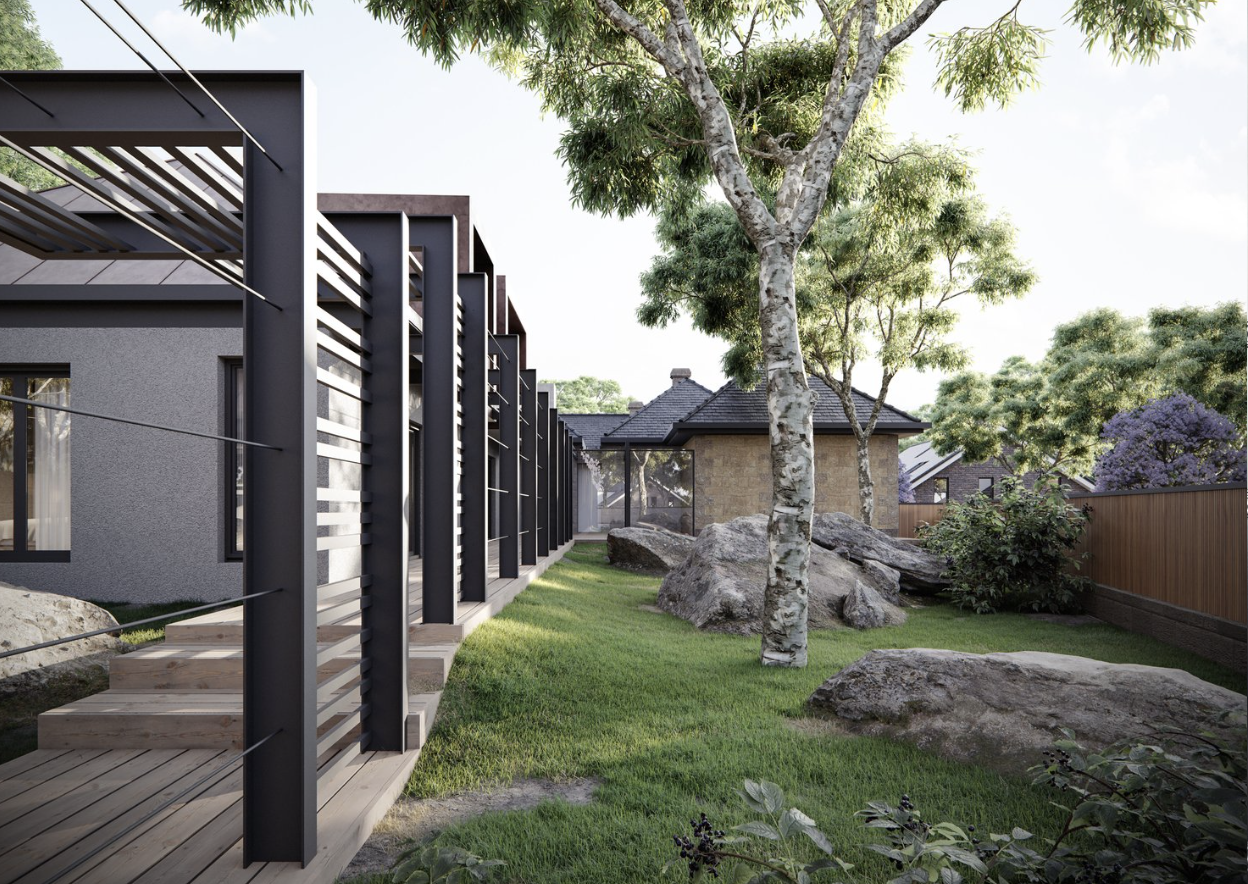
A Landscape Plan may be required to illustrate how outdoor spaces around the B&B will be used and maintained. This plan should identify garden areas, screening vegetation, outdoor seating zones, pathways and lighting. Councils use this document to ensure that landscaping enhances the property, maintains privacy between guests and neighbours and contributes positively to the overall streetscape. It should also address noise reduction and visual buffering where needed.
A Plan of Management is a critical document detailing how the B&B will be operated daily. It should outline check-in and check-out processes, guest behaviour expectations, complaint management procedures, cleaning schedules, waste disposal arrangements and strategies for managing noise and parking. This document provides the council with confidence that the business will operate in a way that minimises disruptions to neighbouring properties and complies with planning and community standards.
Anticipated Additional Requirements
In addition to the core documents, councils may request further reports depending on the site’s location, the scale of the development, and any unique circumstances. These could include:
- Bushfire Management Report
For sites located in bushfire-prone areas, a Bushfire Management Report is essential. It will assess the bushfire risk and outline mitigation measures such as defendable space, fire-resistant building materials, clear evacuation routes and compliance with relevant bushfire construction standards. - Crime Prevention Through Environmental Design Report
A CPTED Report may be required to ensure that the design of the B&B supports guest safety and discourages crime. This report will outline measures such as secure access systems, adequate lighting, visibility around entry points and appropriate fencing or surveillance where needed. Councils use this report to ensure the accommodation is safe and secure. - Acoustic Impact Report
Where the B&B is located in a highly residential area or includes communal spaces such as outdoor dining or entertainment areas, a more detailed Acoustic Impact Report may be requested. This would examine peak noise periods, external guest activities and proximity to sensitive receivers, recommending advanced mitigation strategies if required. - Environmental Sustainability Report
If the B&B incorporates sustainable design or operational initiatives, an Environmental Sustainability Report may be required. This may include solar panels, energy-efficient heating/cooling, water-saving fixtures, green waste separation or sustainable cleaning practices. Councils encourage measures that reduce environmental impact and improve energy performance. - Environmental Impact Statement
If the site is environmentally sensitive such as adjacent to waterways, native vegetation, or habitats, an Environmental Impact Statement may be required. The EIS will assess potential impacts on local flora and fauna, soil integrity, water quality and biodiversity and propose mitigation strategies to ensure environmental protection.